The complaint that starts it is always cosmetic: an oil patch spreading near the lift lobby, black tyre scrub on the ramp, leaf litter banked in the corner of the top deck. So you ask for a quote for car park pressure cleaning, and what comes back is a rate per square metre, as though the job were a big mop. On most Sydney sites the slab is the smallest part of it. Whatever you lift off that concrete has to go somewhere, and where it goes decides whether you’ve fixed the problem or moved it into a pit. Get that part right and the clean holds. Get it wrong and you’re back in six months with a slow-draining ramp and a stain in the same place.
What the stains are telling you
Oil and brake dust don’t sit on top of a car park slab, they work into it. Once that film builds up, sealed or polished concrete turns slippery the moment it’s wet, which is why the slip complaints cluster at the ramp and the lobby doors. That’s the part people photograph.
The part nobody photographs is what the same traffic feeds into the drainage. Grit, rubber, butts, leaf litter and the silt that comes off tyres in wet weather all travel to the low point of the deck, and the low point is where your grates and your sump are. By the time the pit is half full, water sits at the bottom of the ramp after rain and the basement smells worse every summer. A crew with a hose and no recovery gear can make that pit considerably worse in an afternoon.
Where the wash water goes is most of the job
Wash water off a car park isn’t rainwater. It carries hydrocarbons from engine drips, metals from brake pads, detergent if the contractor uses one, plus whatever silt was already sitting in the corners. In NSW, letting polluted water into the stormwater system can be an offence, and councils and the NSW Environment Protection Authority both act on reports of it. The grate in your car park almost always runs to stormwater, so a contractor who hoses everything toward it is making a discharge decision on your behalf.
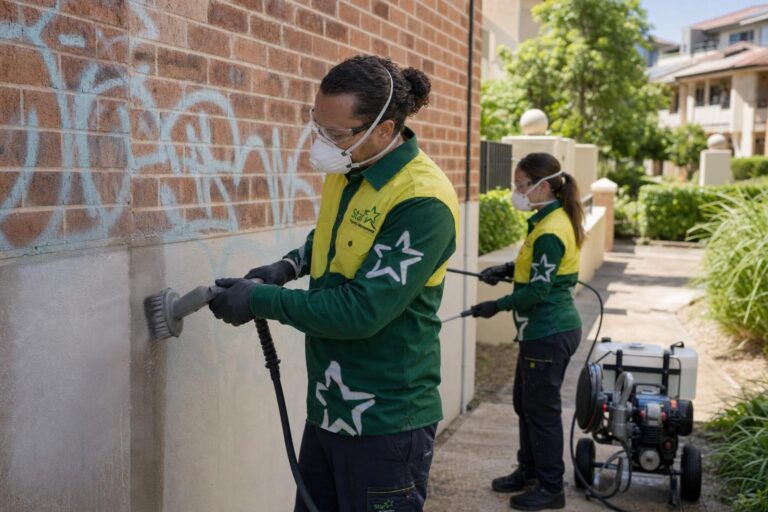
Containment is the alternative, and it’s straightforward work. The crew covers or plugs the grates, bunds the work area so water can’t run past it, and lifts the dirty water with a vacuum recovery unit as it goes. That water then goes to a holding tank for disposal at an approved waste facility, or to sewer where the water authority has agreed to that discharge. Some basements have an oil interceptor or silt arrestor pit in the line, which helps, but it still has to be pumped out and maintained. It gives nobody permission to flush everything into it.
Basement or open deck: two different jobs
A basement needs less water and more recovery. There’s no sun and no rain to finish the job, so anything left on the slab stays there, and anything left standing turns into a smell and a slip risk. In practice that means a degreaser with proper dwell time, lower volume at the wand, and a vacuum running alongside the operator through the whole shift. Ventilation, lighting and clearance for the truck all need checking before the day, because a recovery unit that can’t reach the ramp is no use to anyone.
An open deck is a weather job. Rain already moves dirt off an at-grade or rooftop car park, which means the stormwater system is carrying some of it year round, and a clean that isn’t contained simply adds a concentrated dose. Timing matters more here: cleaning after autumn leaf drop and before storm season clears the grates when you need them clear. Faded line marking is the other consideration, since a narrow nozzle held close will take paint off before it takes the stain off.
How often a strata or commercial car park needs pressure cleaning
For most residential strata basements, a full clean once a year holds up, with spot work through the year on oil patches, bin areas and the ramp. Retail, medical and childcare sites with high turnover want it twice, because the traffic is heavier and visitors notice the entry. Where trees overhang a deck, let the leaf drop set the schedule. Council car parks next to reserves and open space need the grates cleared more often than the surface washed.
The sump check is the one to lock in regardless. Have the pits opened and inspected before storm season, after a downpour has already backed water up the ramp is too late. If you’re building a program instead of reacting to complaints, the car park belongs on the same schedule as everything else on title, and our strata common-property cleaning checklist shows how those tasks fit together across a year.
What to ask before you book car park pressure cleaning
The quote tells you the price. These questions tell you what you’re buying.
- Where will the wash water be contained, and where does it finally end up?
- What pressure and nozzle will be used on each surface, and who inspects the line marking first?
- Are the grates, pits and sump cleared as part of the job, or quoted separately?
- Who isolates the pump-out pit and checks fire services before work starts?
- What happens to the rubbish and sediment that comes out of the corners?
A contractor who answers the first question with “it just goes down the drain” has told you what the rest of the job will look like. Ask for the containment method in writing on the quote, while you’re still comparing prices.
Planning the clean around the people who park there
Nobody thanks you for a spotless basement they couldn’t get into. Most sites are best done in sections, overnight or across a weekend, so residents and staff keep access to half the bays at any time. Give notice early, mark the closed section clearly, and allow for drying before cars return, because wet sealed concrete is slipperier than the oil you just removed. Emergency vehicle access and fire exits stay clear the whole time. For retail and aged care, work the hours around deliveries and visitor peaks.
Frequently asked questions
Once a year for most strata and commercial sites, with spot cleaning of oil patches and bin areas in between. Sites with heavy visitor turnover need it twice.
Into containment and recovery. The crew covers the grates, bunds the area and vacuums the water up for disposal or approved discharge to sewer.
Yes, in stages. Sections are closed one at a time, overnight or over a weekend, so residents and staff keep access throughout.
It can, at the wrong pressure or nozzle angle. Worn paint and older slabs need a wider fan and more distance, which is why the marking should be assessed before anyone starts.
A clean that holds until the next storm season
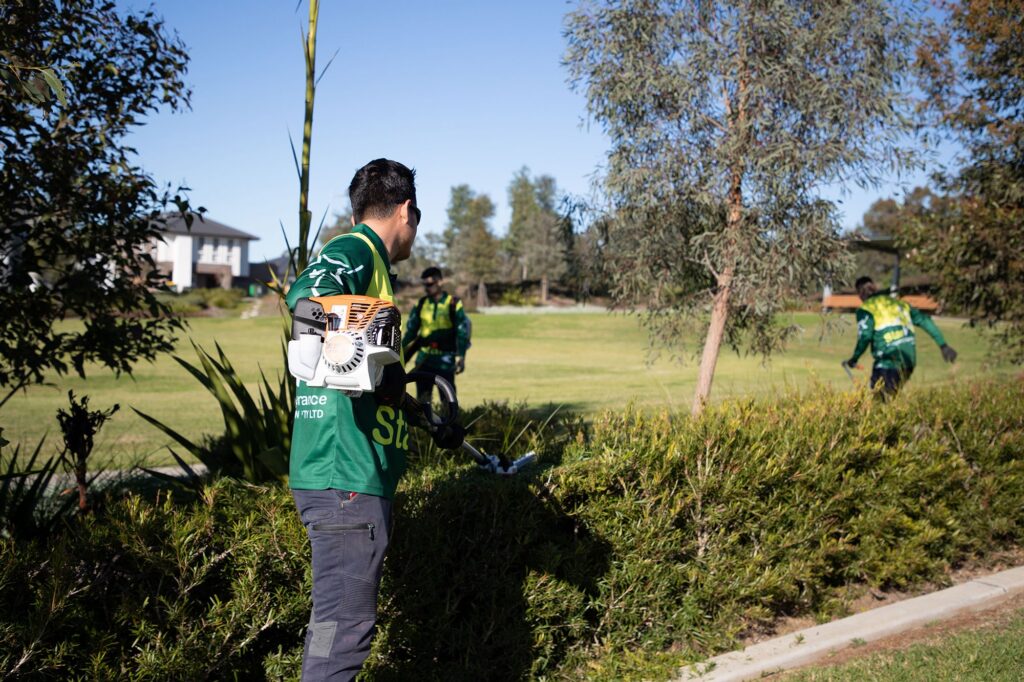
Walk the car park on the first dry day after heavy rain and note where water is still pooling, then lift a grate and see how far down the silt sits. Photograph both and send them out with your scope. That one step changes the quotes you get back, because it tells a contractor the drainage is part of the job, and it shows you which ones were only ever pricing the slab.
Star Property Maintenance is family owned and has worked on Sydney sites since 2002. Star PM provides high-pressure cleaning and rubbish removal across Greater Sydney, along with grounds maintenance and property maintenance, through a combination of in-house teams and trusted specialist contractors depending on the scope and location of each project.
If you’d like someone to walk your basement or deck with you before the next clean is scheduled, talk to our team. Get a free quote.