A roller door at a warehouse jams on a Friday afternoon, and the tenant’s driver can’t get a forklift out. The call lands with you, and the first question isn’t how to fix it. It’s who pays. Whether the landlord or tenant is responsible for commercial property maintenance comes down to a lease nobody has opened since the fit-out, plus a handful of distinctions the document assumes you already understand.
In most commercial leases, the landlord or tenant responsible for commercial property maintenance is decided by four buckets: the landlord keeps the structure, roof and base building services in repair, and the tenant looks after its fit-out, day-to-day cleaning and anything it installed or broke. Common areas, car parks and grounds sit with the landlord, with the cost recovered through outgoings.
How far that general split can be trusted
That’s the pattern, not the rule. Every lease differs, and a well-drafted one will shift items in either direction, so the clause in front of you wins over any general guidance, including this. Retail tenancies carry extra obligations again, including disclosure of outgoings, and the NSW Small Business Commissioner handles mediation when a retail lease dispute won’t settle. Because of that, the useful habit is to sort any job into one of the four buckets before you decide who’s calling the tradesperson.
The four buckets a lease sorts maintenance into
Structure, roof and base building services
Structure and fabric sit with the landlord in nearly every lease. Slab, frame, roof sheeting, external walls and the main drainage line are the owner’s to keep in repair, because the tenant has no reasonable way to maintain them and won’t be there long enough to care about a twenty-year roof.
Base building services follow the same logic. Fire systems, lifts, the main air conditioning plant and the essential services measures listed on the building’s annual fire safety statement are maintained under owner-side contracts, with servicing records kept centrally. A tenant may still pay a share through outgoings, but it doesn’t control the contractor or the schedule.
The exception is damage. Most leases make the tenant responsible for anything its people, customers or contractors damage, even where the item itself is the landlord’s. That line between damage and fair wear and tear is where the arguing starts, and it’s worth reading our longer piece on whether the landlord or tenant is responsible for property damage before you commit to a position in writing.
Fit-out, cleaning and grounds
Fit-out is the tenant’s, from installation to make-good. Partitions, joinery, lighting the tenant added, data cabling, floor coverings, the supplementary split system over the server rack: the tenant installed them, maintains them, and normally removes or reinstates them at the end of the term.
Day-to-day cleaning inside the premises is the tenant’s too. Carpet cleaning, hard floors, kitchens, washrooms and high-touch surfaces are operational costs the occupier carries. The standard required is written into the lease as “clean and tidy” or something equally open to interpretation.
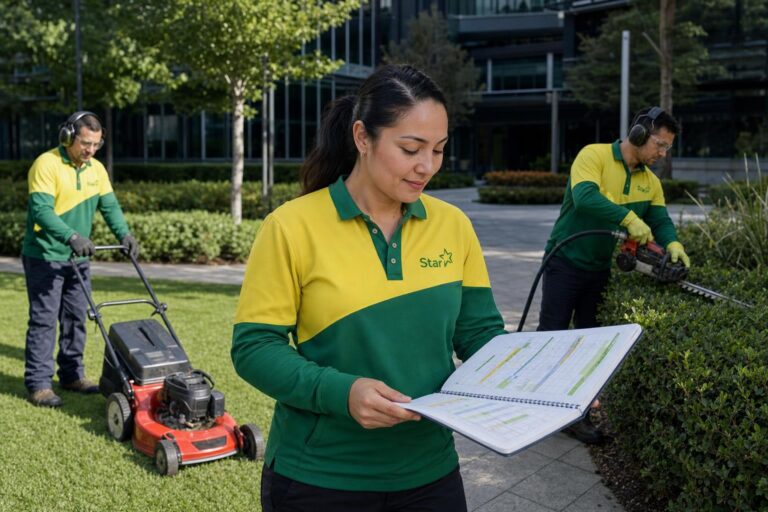
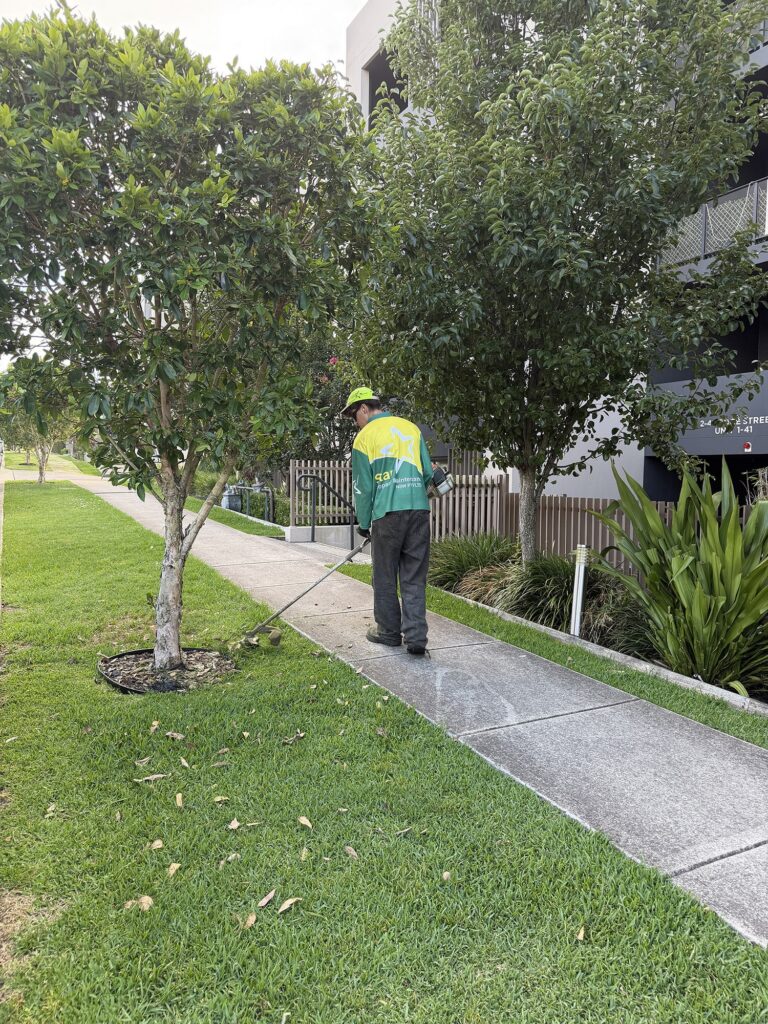
Grounds and common areas are the landlord’s, but the bill often isn’t. Mowing, garden beds, car park sweeping, bin areas and stairwells are maintained by the owner or the agent under a site-wide contract, then recovered through outgoings. In a single-tenant industrial site, the lease frequently pushes the lot onto the tenant, which is why two sites two streets apart can be run on opposite arrangements.
The arguments that start when something breaks
A blocked drain. The main line is the landlord’s and the grease trap is the tenant’s, so the argument turns on where the blockage sits and what caused it. In practice, whoever has the plumber on site first should get the cause recorded before the jetter clears the evidence.
A stained ceiling tile. Water from a failed roof flashing is an owner repair. Water from a tenant’s dishwasher connection is not. The tile itself is cheap, but it’s the first sign of a dispute about the thing above it.
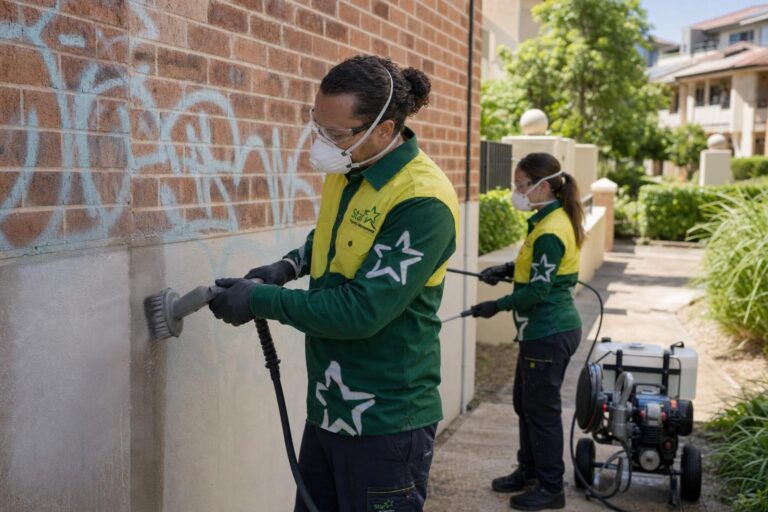
Graffiti on an external wall. Mostly the landlord’s, as part of the building fabric, though many leases hand shopfront tagging to the tenant. Either way, the longer the tag sits, the more it attracts, and removal from brick and render is a different job from removal from paint.
Mould in a back-of-house room. The source decides it. A building defect is the owner’s problem, while poor ventilation around a tenant’s stored stock isn’t, and the first week of a mould job is about finding the moisture.
Make-good at the end of the term. The most expensive argument of all, because it’s the only one where both parties have already got what they wanted from each other.
What to check before you send anyone to site
Five minutes with the lease will settle most of this, and the same five questions work whichever side of the deal you sit on.
- What does the repair clause say about structure, services and the fabric of the building?
- Where does the demised premises actually start and stop, including car spaces and any yard?
- Is the item on the fire safety statement or another essential services schedule?
- Was it part of the base building, or did the tenant install it?
- Does the condition report or fit-out plan from the start of the term cover it?
Then photograph the problem before anything is touched, and record the date. A dated photo and a one-line note on the cause settle more disputes than any clause does, because the clause allocates the cost of a known cause and doesn’t decide what the cause was. If the answer is still unclear and the site is unsafe, do the work, keep the invoice separate, and argue it afterwards. A contractor who can attend, scope the job and put it in writing gives you something to hand to the other party.
Frequently asked questions
The tenant, inside the leased premises, in almost every commercial lease. Lobbies, stairwells, car parks and other common areas are normally arranged by the landlord and recovered through outgoings.
The landlord for base building plant, the tenant for units it installed and for routine servicing of equipment inside the premises. Check which category the unit falls into before booking the repair.
Make-good is the work a tenant does to return the premises to the condition the lease requires: removing its fit-out, repairing damage, patching and repainting, and leaving the space clean. The scope comes from the lease and any agreed condition report.
Yes, where the lease provides for it through outgoings. Retail leases carry additional disclosure requirements about what those outgoings cover.
Settle it once, then get the site working
Take the five questions above, run them over the three jobs most likely to come up at your site this year, and write the answers into your maintenance schedule. Doing it before something breaks takes the heat out of the phone call, because the allocation is already agreed and all that’s left is the repair.
Disclaimer: This article is intended for general informational purposes only and does not constitute legal advice. Commercial lease obligations may vary depending on the terms of the individual lease and applicable laws. Landlords and tenants should seek independent legal advice regarding their specific circumstances.
Star Property Maintenance has worked on Sydney sites since 2002. Star PM is family owned and operated, and provides tailored commercial cleaning, property maintenance and grounds maintenance services across Greater Sydney through a combination of in-house teams and trusted specialist contractors, depending on the scope, location and service requirements of each project. That covers both sides of the line this article draws: handyman and property maintenance including minor repairs, make-good works, painting and defect rectification, alongside commercial cleaning and grounds.
If you’ve sorted out who owns which jobs and now need someone to do them, we can walk the site and scope the work with you. Get a free quote.