The more prepared you are, the less pressure you feel. Orrin WoodwardMaking sure that your event cleaning process is organised as you plan your event will drastically reduce the pressure that you and your staff will feel as the event winds down. But where do you start?
1. Organise your cleaning supplies
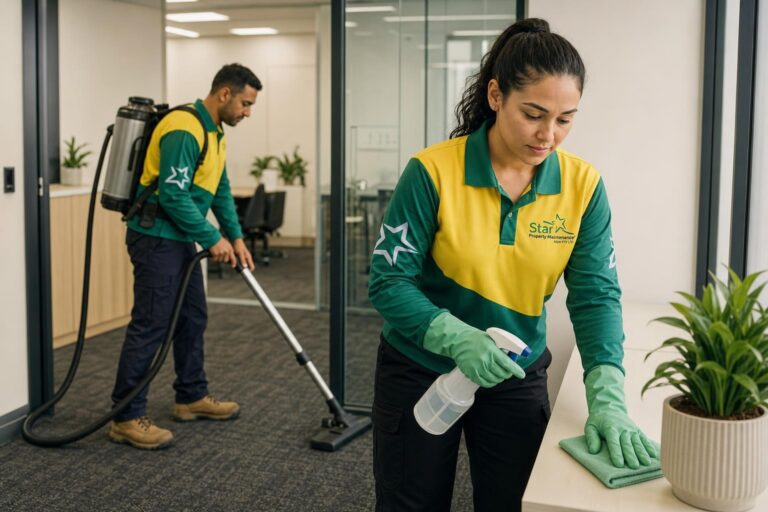
Cleaning can’t start without the right tools. Having the right supplies, materials, and equipment prepared and on hand will not only make the cleaning process smoother and faster, but it will also keep the people cleaning safe as they deal with potentially hazardous items and substances. Here is a short list of basic cleaning equipment to get you started:- PPE Equipment, such as face masks and rubber gloves.
- Cleaning cloths, preferably paper towels or microfibre cloths
- Separate bin bags for bio-degradable and non-biodegradable collection
- Glass cleaners, surface cleaning sprays, and carpet stain removal solutions
- Vacuums
- Colour-coded mop system
- Litter-picks
2. Pre-plan your event’s waste removal
With every passing year, staying eco-conscious and adopting eco-friendly practices becomes increasingly important. Ensure that your event stays environmentally friendly by pre-planning and organising your event’s waste removal. If your event is in a public area, speak to local authorities to understand local waste removal rules. Organise designated event rubbish bins and arrange for access to waste collection sites for a smoother cleaning process and prevent public littering. You could even create a comprehensive recycling plan for your event’s waste to minimise your event’s environmental footprint. If there is a high chance that your event will generate hazardous waste, speak to professional waste removal companies to develop a hazardous waste removal plan.3. Follow standard patterns and procedures
It’s good to have special rules and steps in place for event clean-up, but be sure to base your event cleaning procedures on standard cleaning patterns to help you take care of every aspect of cleaning without missing any areas. For example, you might need to do a more extensive carpet clean after a big event, but benches, tables, and chairs will still need to be wiped and sanitised as usual. Use pre-existing cleaning procedures at your event’s venue or location as a base to create your own event cleaning check-list.Hiring a Professional
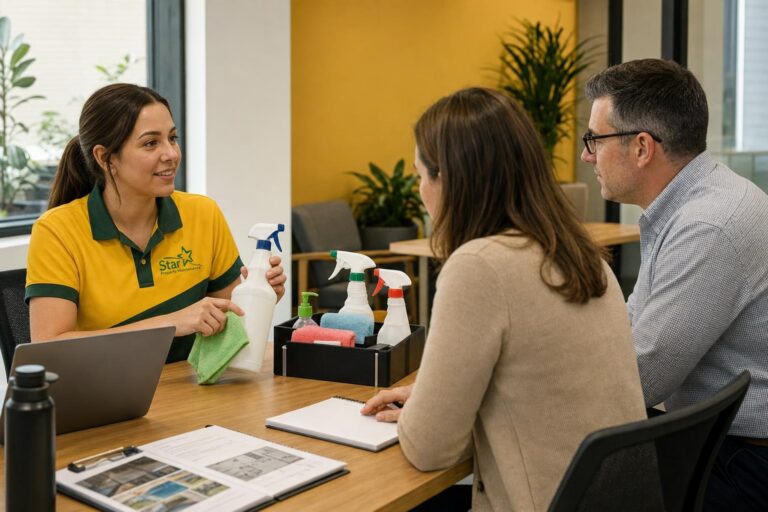
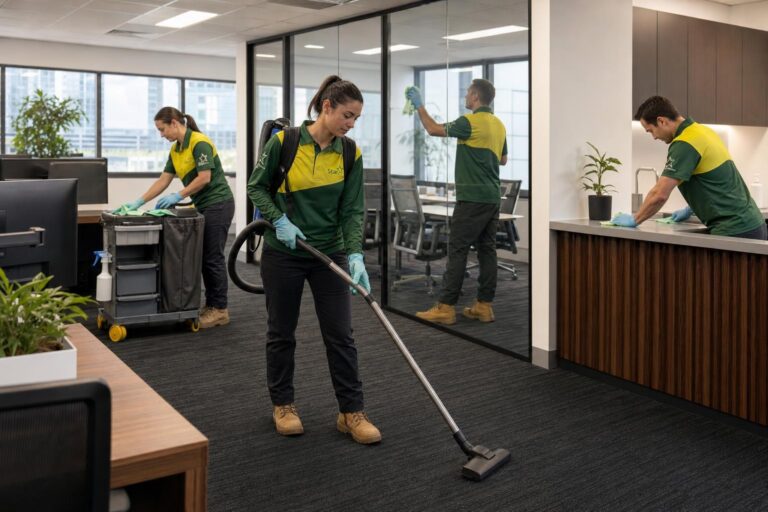
Although it could be cost effective to clean your event yourself, it could be more efficient and reliable to hire cleaning professionals to manage your event’s cleanliness. Not only will an event cleaning company help you with cleaning up after an event, they will also be able to help you clean and prepare your venue before your event starts. They have the skills and tools necessary for specialised cleaning, such as carpet cleaning, window cleaning, or deep stain removal.Stay Accountable
The biggest benefit of hiring a professional cleaning company for your event is increasing the accountability of your event’s hygiene and cleanliness. A professional will comprehensively cover everything in place to exceed your expectations. They would also remain transparent with their process and progress as they follow any pre-determined cleaning procedures, allowing you to focus your energy elsewhere during your event.I’m a cleaner, not a magician… but I can see why you might be confused UnknownAt Star PM, we are dedicated to satisfying all our client’s cleaning needs. We use the latest in environmental and recycling techniques in our waste disposal and cleaning procedures. Providing a safe working environment for our large team of dedicated staff, we will help you manage your event’s cleanliness and hygiene from conception to completion. Contact us today for a quote and let us work our magic on your next event.
Borrowing a schedule from the venue’s own cleaning
Point three suggests building an event check-list on top of whatever cleaning procedures the venue already runs. If the venue is an apartment building’s function room, rooftop or shared car park, those procedures belong to the owners corporation, and they tend to be written by frequency rather than by area. A strata cleaning checklist sets out what should happen weekly, monthly and quarterly, and why the spots nobody inspects, such as bin rooms and fire stairs, carry the most risk. Reading one before the booking is confirmed is a quick way to work out which areas the building’s cleaners already cover and which ones fall to the event.